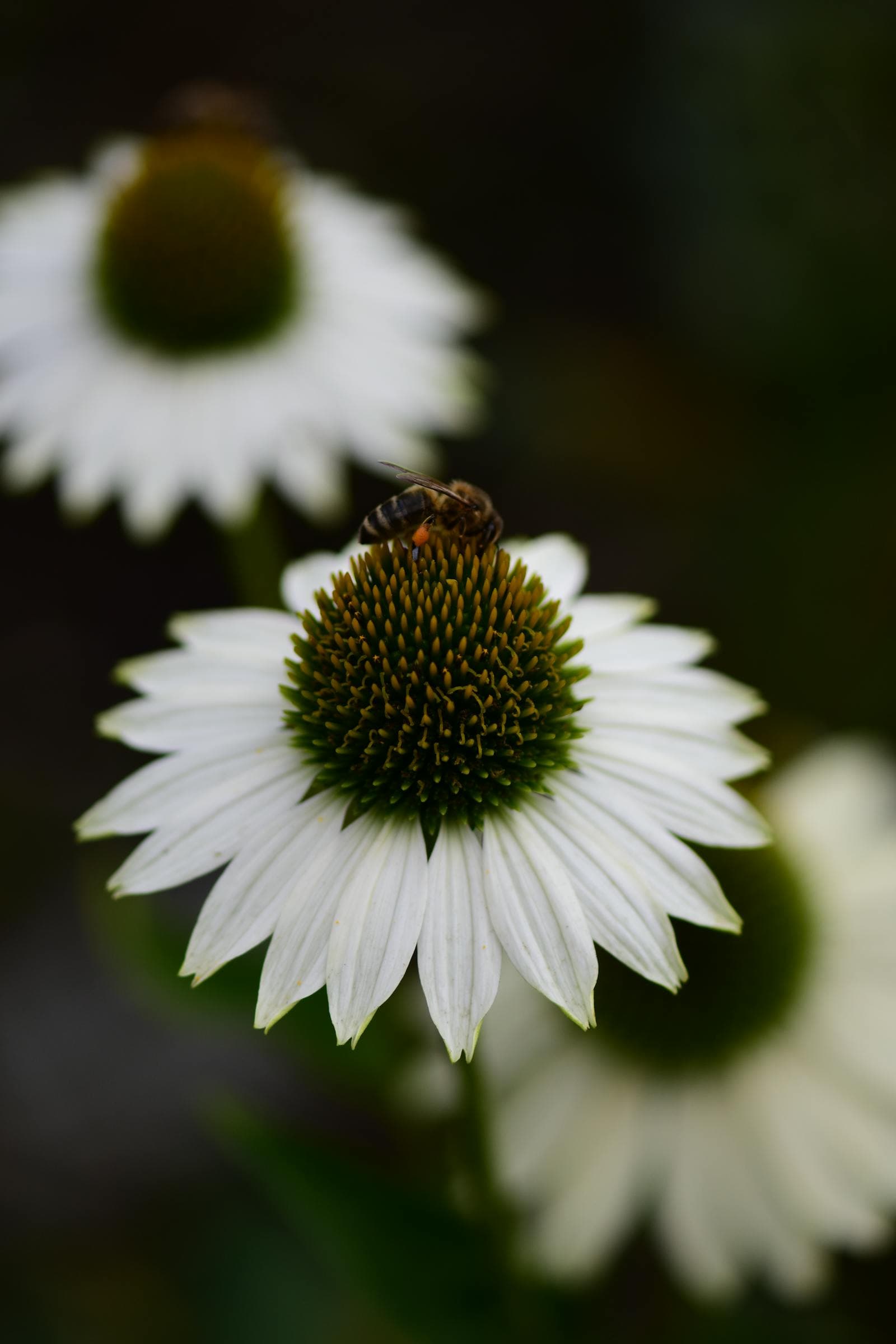
A front-yard pollinator planting has a harder job than a bed hidden behind the garage. It has to feed insects, survive public view, and avoid making the house look abandoned. That does not mean it has to be stiff. It means the wildness needs a frame.
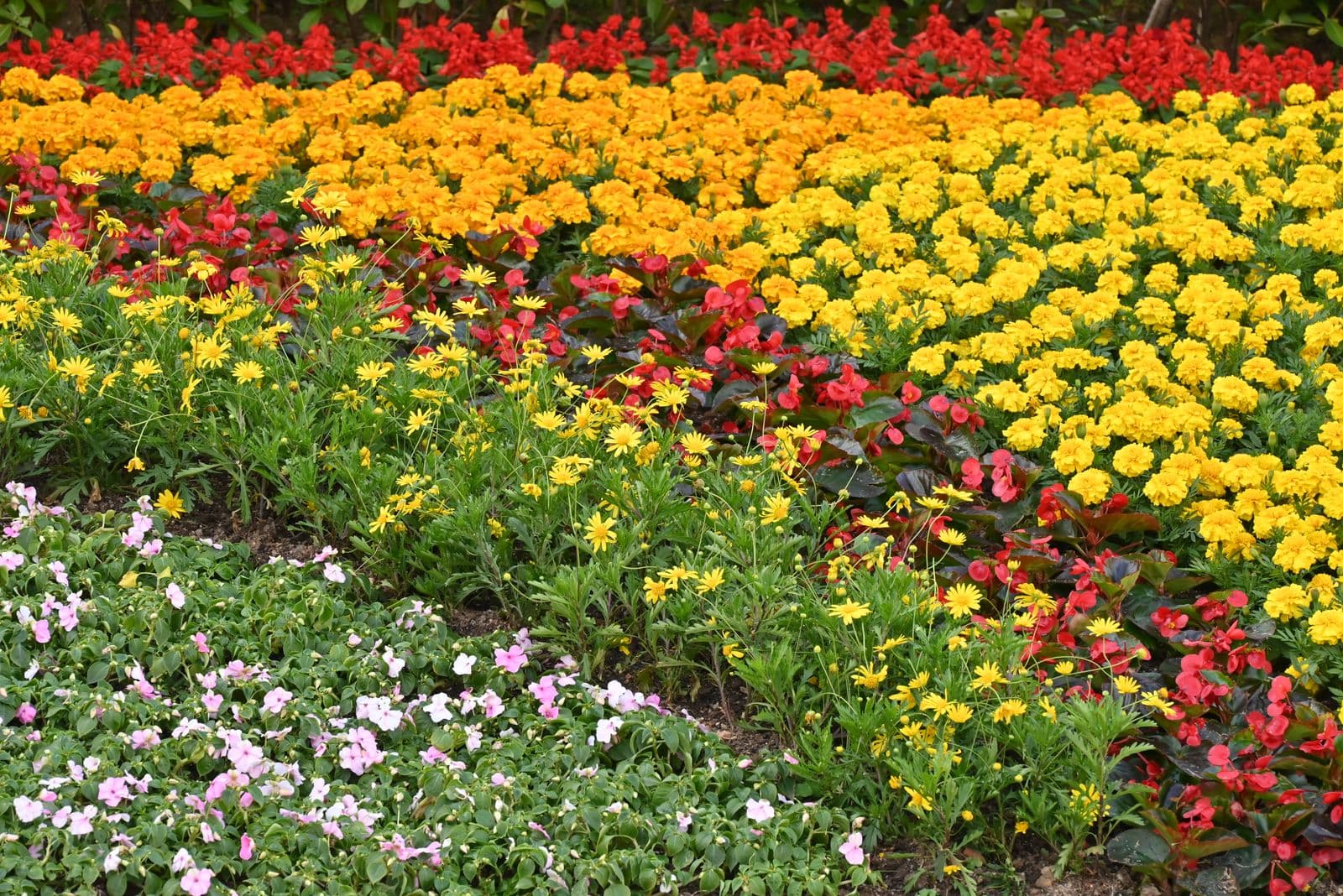
The easiest frame is a clean edge. Lawn cut cleanly against the bed, a brick line, a low hedge, a path, or even a consistent strip of mulch tells the eye that the planting is intentional. Once that boundary is clear, the flowers inside can move, lean, seed a little, and host real insect life without the whole scene tipping into disorder.
Pollinators do not need chaos from you. They need flowers in useful sequence, enough of each plant to find, and a garden that is not sprayed into silence. Neighbors need to understand that what they are seeing is a garden, not a pause in maintenance. Good design can serve both.
The first temptation is to buy one of every pollinator plant on the bench. It feels generous. It usually looks scattered. Bees and butterflies also benefit from repeated patches, because a single isolated flower is harder to use efficiently than a small group of the same thing.
Choose a shorter list and repeat it. A tidy front-yard border might use salvia for early structure, coneflower and black eyed Susan for summer weight, anise hyssop for scent and long bloom, mountain mint for quiet insect traffic, and asters for the late-season handoff. Compact grasses can hold the planting together when flowers are between moments.
That is already plenty. If the bed is narrow, remove one more plant from the list rather than squeezing everything in. A restrained palette reads as confidence. A crowded palette reads as a sale table.
Salvia is a useful front-yard plant because it behaves like punctuation. The spikes are upright, the color is legible from the sidewalk, and the plant looks intentional early in the season when many perennials are still building size. Bees usually find it quickly, which gives the bed visible life before the summer flowers take over.
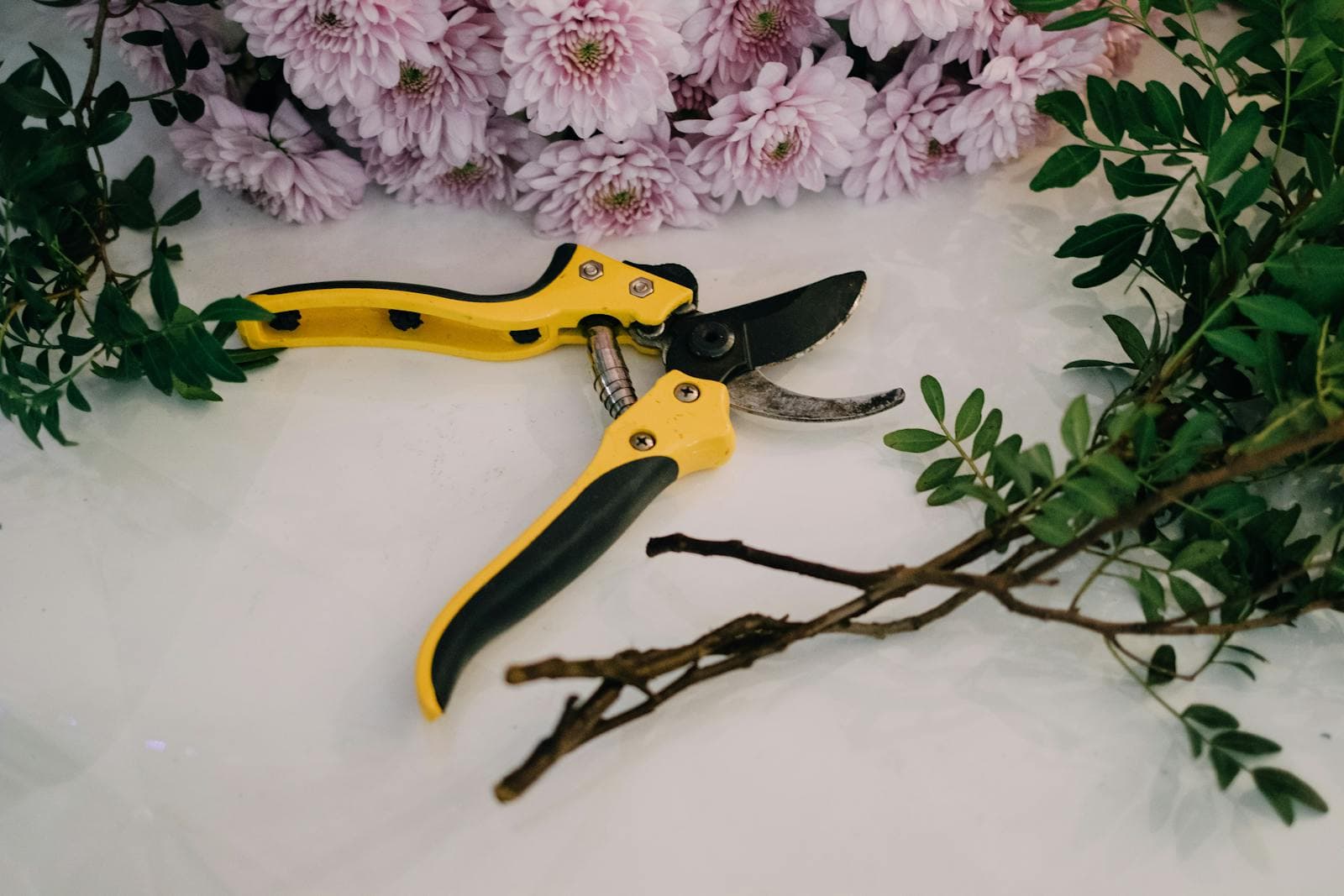
Use salvia in small repeated groups, not as a lonely specimen. Three plants near the walkway and another three farther down the bed will look more designed than one plant stranded among everything else. After the first heavy bloom, cut back the spent spikes so the plant does not sit there with brown wands at the front of the house.
The value of salvia is not only nectar. It gives order. A pollinator bed with order at the beginning can afford more looseness later.
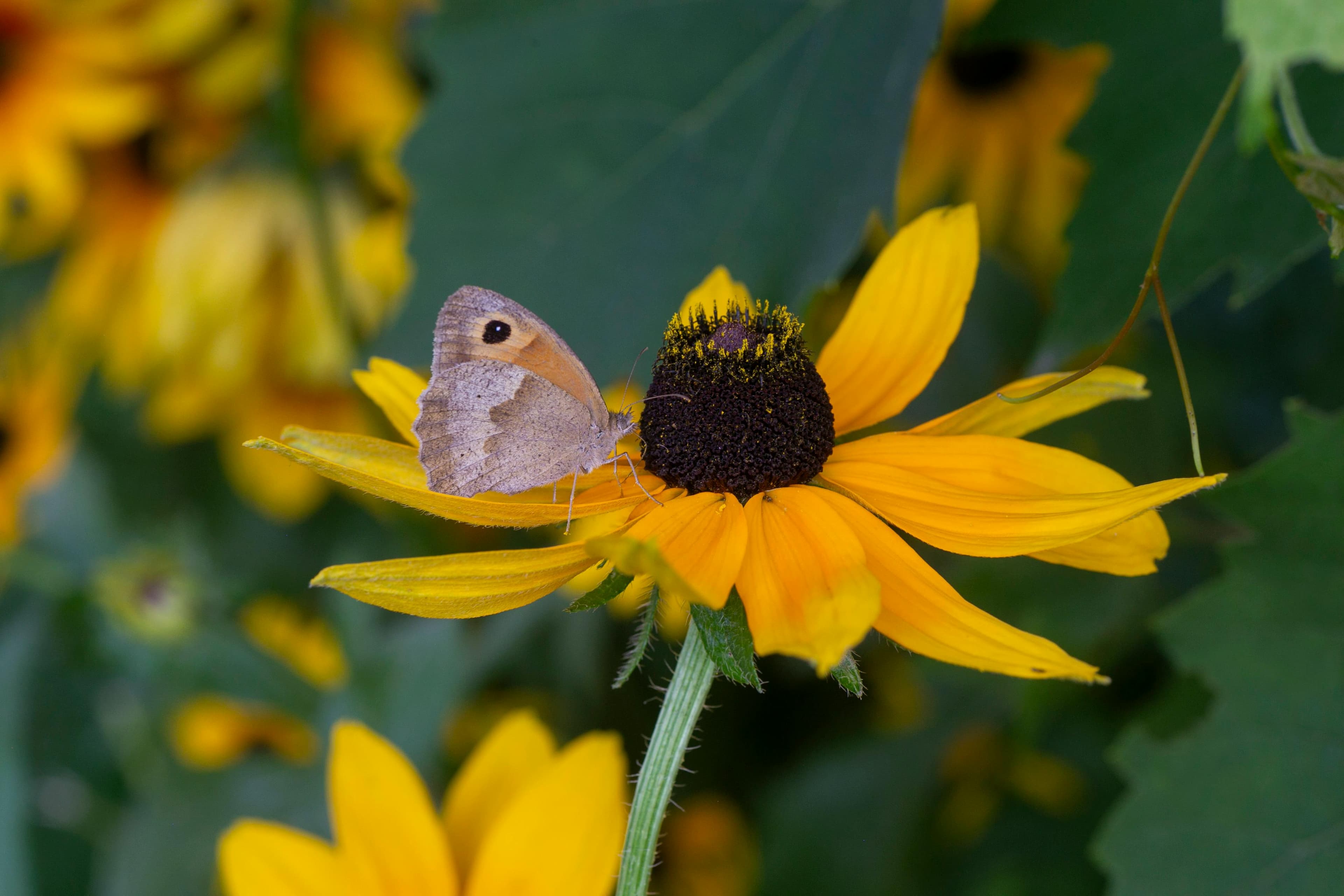
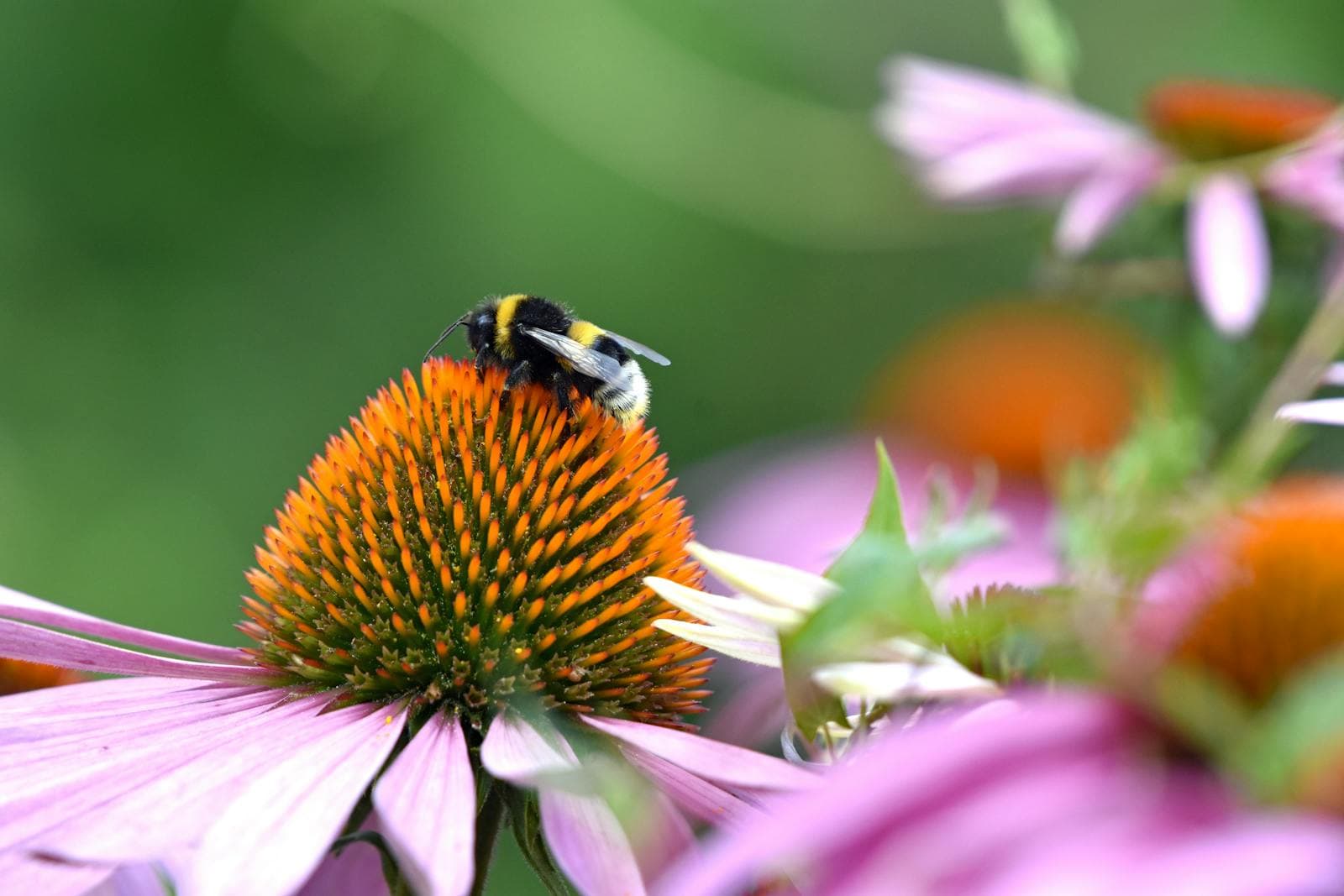
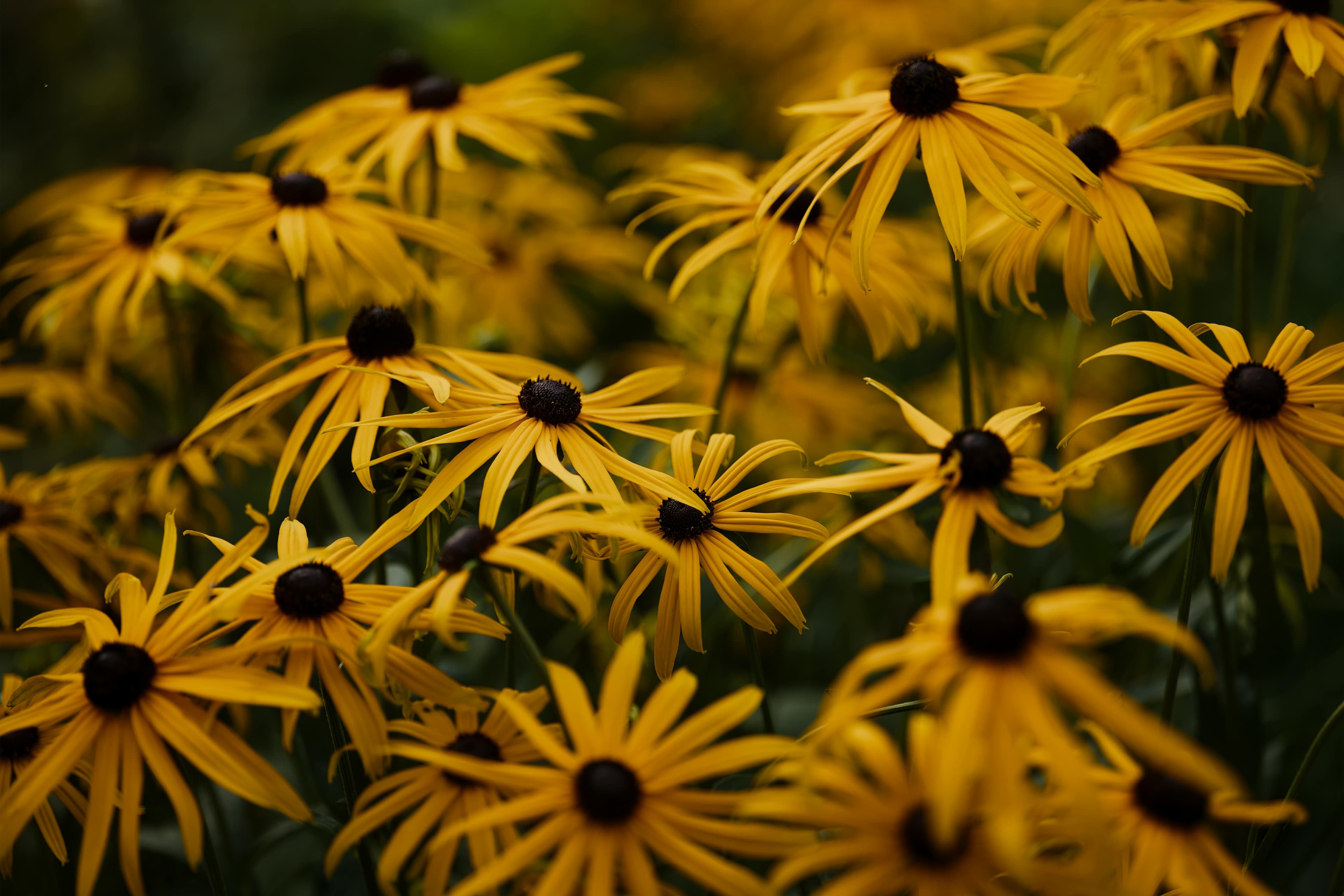
Coneflowers and black eyed Susans are familiar enough that they help people accept a more ecological front yard. Their daisy shapes look like flowers, not weeds, even to someone who does not know plant names. That makes them useful ambassadors in a neighborhood setting.
Give them room to make groups. A few coneflowers repeated through the middle of the bed can carry summer without looking busy. Black eyed Susan brings warmth and visibility, especially from the street, but yellow can dominate if it appears everywhere. Let it show up in controlled patches so the color ties the bed together instead of shouting over everything else.
Later, leave some seedheads standing where they still look upright and intentional. Cut the ones that collapse over the edge. Wildlife value does not require keeping every tired stem.
Anise hyssop earns a place near a walk because it works for insects and people at the same time. Bees visit the flowers for a long stretch, and the leaves carry scent when brushed. That small sensory reward makes a habitat planting feel like part of daily life rather than a project kept at a distance.
Bee balm can do similar work, especially where you want stronger color and a looser summer mood, but it needs airflow. In a tight front bed, crowded bee balm can mildew and make the whole planting look tired. If you use it, give it space and do not bury it behind plants that trap damp air.
The path edge should still remain open. Flowers can lean slightly toward a walkway and feel charming. Flowers that force people sideways stop feeling generous.
Mountain mint is not always the plant people point to first, but it may be one of the busiest places in the bed. Its pale flowers and silvery bracts can draw a surprising range of small pollinators while visually cooling louder colors around it.
That restraint matters in a front yard. Not every useful plant needs to be bright. Some plants should make the others easier to look at. Mountain mint can sit between yellow black eyed Susan and purple salvia, softening the contrast while still doing real ecological work.
Give it a defined patch and edit it if it spreads beyond the shape you want. A tidy pollinator garden is not a plant museum, but it is also not a place where every self-sown stem gets a vote.
A front bed that looks wonderful in June can look exhausted by August if there is no late-season plan. Pollinators still need food, and the house still needs a garden that feels cared for. Asters solve much of that problem when they are chosen and placed honestly.
Compact asters belong closer to the public edge. Taller, looser asters belong farther back or where a grass can hold them visually. If a variety tends to stretch in your garden, pinch it earlier in summer so it branches and stays fuller. That small act can be the difference between a late-season cloud of flowers and a plant lying across the walk.
The goal is a handoff. Salvia begins the structure, coneflowers and black eyed Susans carry summer, anise hyssop and mountain mint keep the insect traffic going, and asters make the bed matter again when many annual displays are fading.
A tidy front-yard pollinator bed does not need constant grooming. It needs a monthly edge and a few honest decisions. Keep the lawn or path line clean. Remove weeds while they are small. Cut stems that block movement. Deadhead where it improves the next flush, and leave seedheads where they add food or structure.
Water new plants through their first season because drought-stressed perennials often stay small, bloom poorly, and leave gaps that weeds are happy to fill. Once established, many of these plants become easier, but establishment is not the time to prove how tough they are.
In fall, resist the urge to erase the whole bed in one afternoon. Remove diseased foliage and anything collapsed in the wrong place, but leave selected stems and seedheads where they look deliberate. The garden can feed birds, shelter insects, and still greet the street with a clear edge. That is the balance that makes a pollinator front yard livable.