My grandmother deadheaded flowers while she talked, and that is probably why I misunderstood it for years. She did not stop the conversation, put on a different pair of gloves, or make the work feel like a ceremony. She would lean over a geranium, follow one faded stem down with her fingers, snip it cleanly, and keep talking as if the plant had simply interrupted her for a second.
That is the spirit deadheading needs. It is not a performance of tidiness, and it is not a punishment for flowers that have finished. It is a small way of telling certain plants to keep using their energy on bloom instead of seed. Once you see that, the job stops feeling like cosmetic grooming and starts feeling like reading the plant.
The useful routine is not daily fussing. Daily fussing makes people hate their gardens. A weekly pass is enough for most beds and containers, especially if you keep a small bucket and clean snips near the door. You are not trying to make every plant look untouched by weather. You are trying to remove the flowers that are clearly finished before they slow the show down.
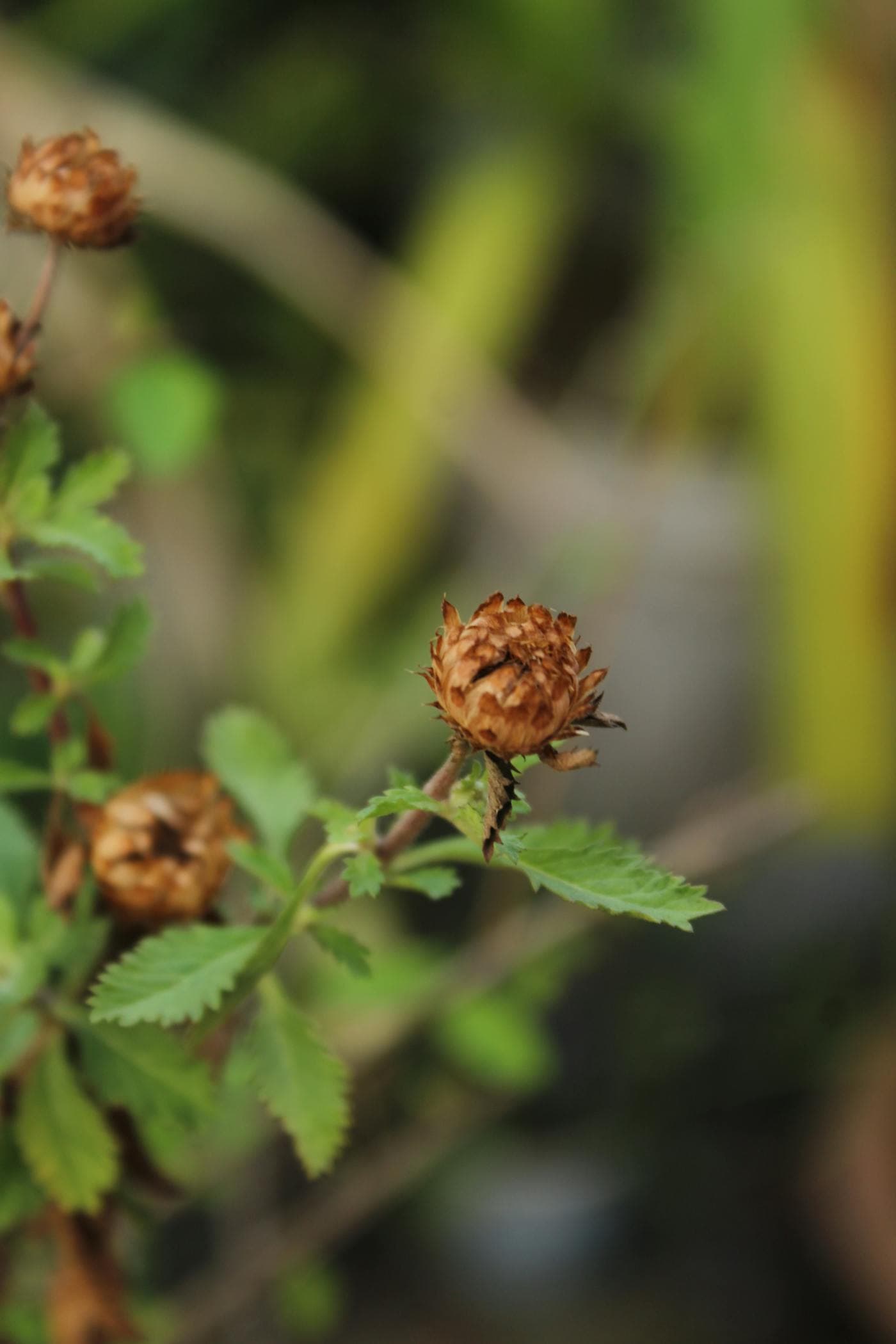
A faded flower is not always a dead flower. Petals can be rain-marked and still useful to a bee. A bloom can look a little tired at the edge and still be feeding the plant through photosynthesis around it. The flower that matters for deadheading is the one that has collapsed, browned, dried, shattered, or started swelling into a seedhead behind the petals.
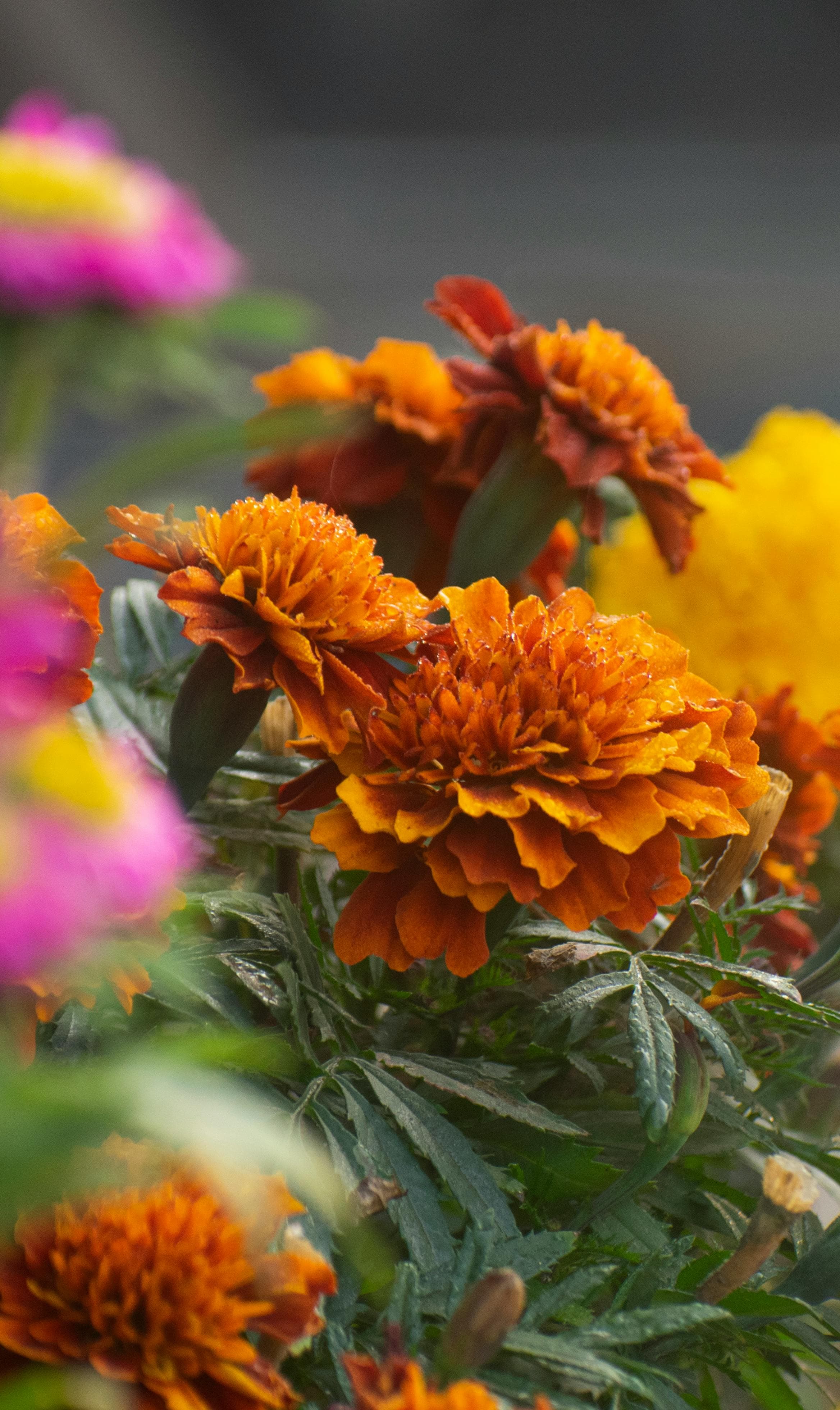
On zinnias, the flower usually becomes stiff and papery. The center rises, the color dulls, and the stem may feel less lively when you bend it. On marigolds, old blooms can sit like damp little pom-poms unless you remove the whole head. On petunias, the spent flower often turns soft and sticky. On geraniums, the whole cluster begins to hang tiredly from its stalk, even if one or two florets still have color.
The first week you do this, go slowly. The second week, your eye will already be faster. You will start noticing the difference between a flower that is passing through a slightly ugly day and a flower that is truly finished.
The mistake most beginners make is pulling off petals and leaving the important part behind. The plant does not care much that the petals are gone. If the little swelling base of the flower remains, the plant may still treat the job as seed-making and keep sending energy there.
Follow the spent bloom down to the first healthy leaf, side shoot, or branching point. That is usually where the cut belongs. On a zinnia, that can mean cutting a longer stem than feels necessary, but the reward is a cleaner plant and a better chance of new side shoots. On salvia, the cut may be the whole tired spike back to a set of leaves. On geraniums, remove the entire spent flower stalk rather than pinching individual florets forever.
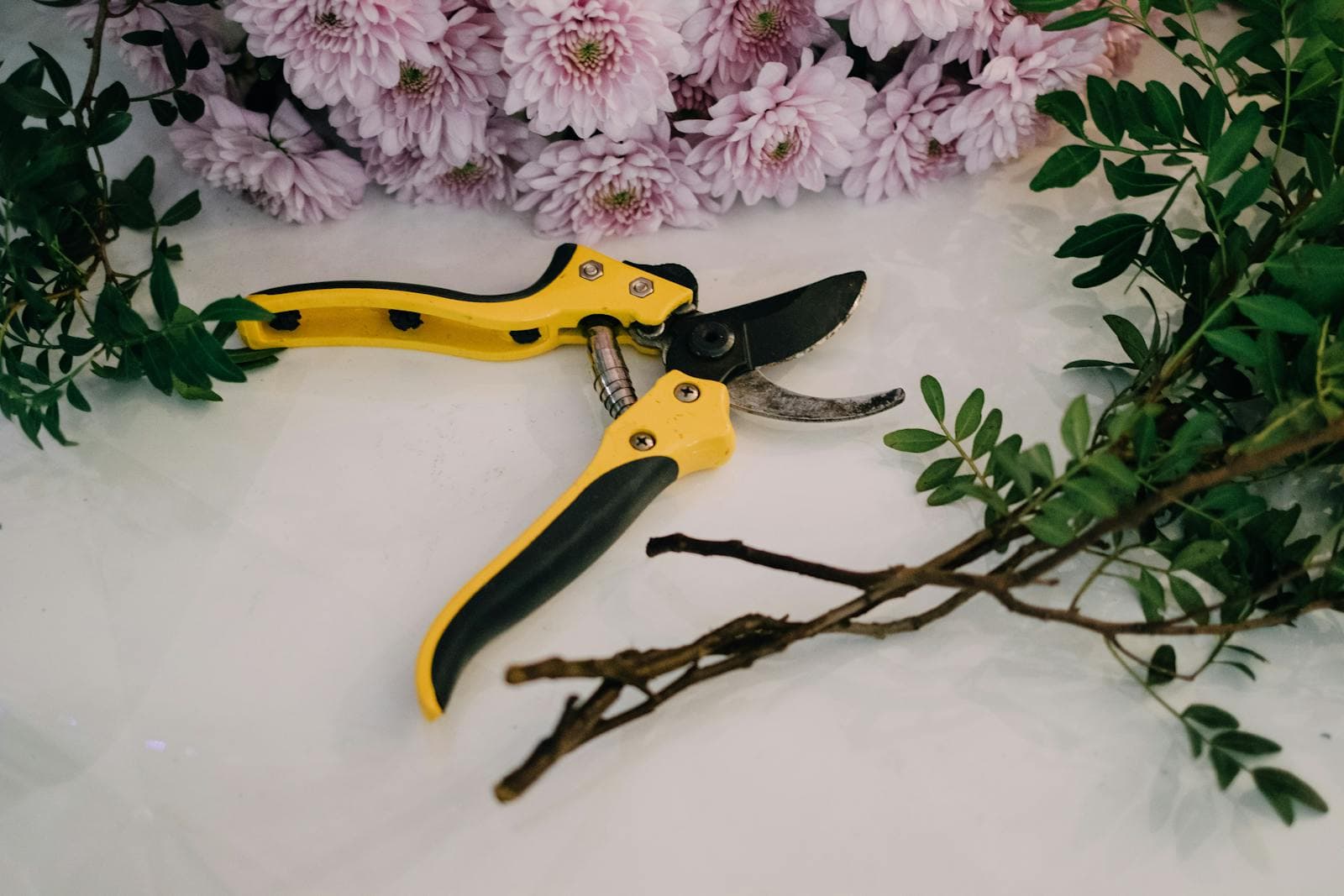
This is why snips are better than fingers for most mixed flower beds. Fingers are fine for soft petunias or small annuals when the stem snaps cleanly. For thicker stems, use bypass snips so you do not crush tissue or tear the plant while trying to be quick.
Annual flowers are in a hurry. Their whole season is a push toward flowering, setting seed, and completing the cycle before cold or exhaustion ends the plant. Deadheading works so well on many annuals because it interrupts that finish line. Remove the spent bloom before seed is well underway and the plant often answers by making another attempt.
Zinnias, cosmos, marigolds, calendula, petunias, dahlias grown for summer display, and many container geraniums all respond to this kind of attention. They are not identical, but they share one useful trait: if you keep harvesting or removing old flowers, they often keep producing new ones while the weather and plant health allow it.
That does not mean they can bloom on neglect. Deadheading cannot make up for a tiny pot that dries out twice a day, soil with no nutrition left, or a plant sitting in shade when it wants sun. Think of deadheading as one part of a triangle: enough light, steady water, and regular removal of spent blooms. Miss one corner and the other two have to work too hard.
Beds can hide a little tiredness because other plants cover for one another. Containers are less forgiving. A porch pot with three spent geranium clusters, sticky petunia bells, and browned marigolds looks neglected even if the plant is technically healthy. Because everything is lifted to eye level, old flowers become the first thing people see.
The easy container routine is to check while watering. Water first if the pot is dry, because a stressed plant is more brittle and less pleasant to handle. Then remove the obvious spent flowers, yellow leaves, and any stem that has collapsed into its neighbor. If the pot has trailing flowers, lift the edges and look underneath. Spent blooms often hide there and rot against foliage.
A five-minute porch pass once a week can change the whole front of a house. It also keeps you close enough to notice problems early: aphids on new growth, a pot that is drying faster than the others, or a plant that has stopped making buds because it needs feeding.
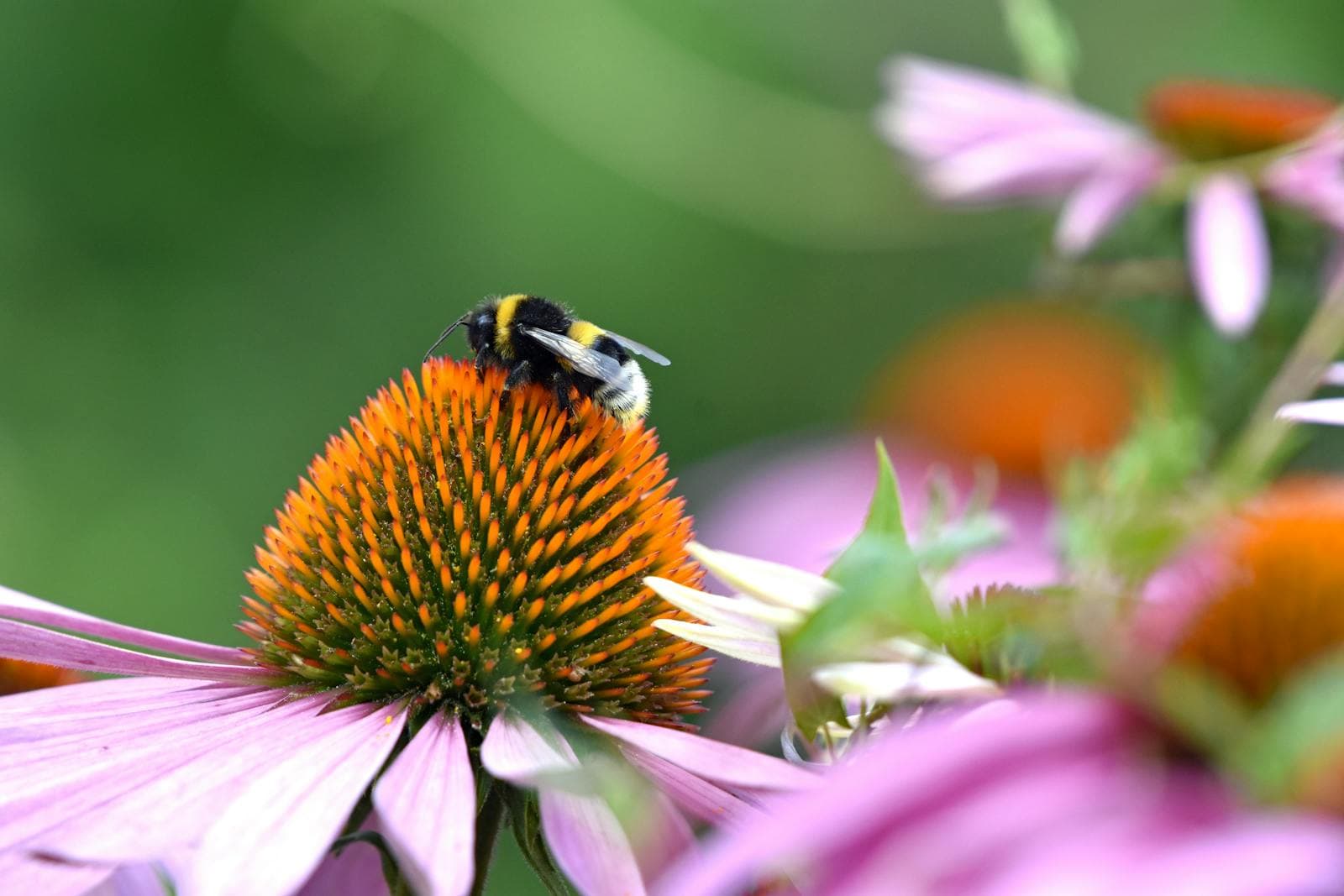
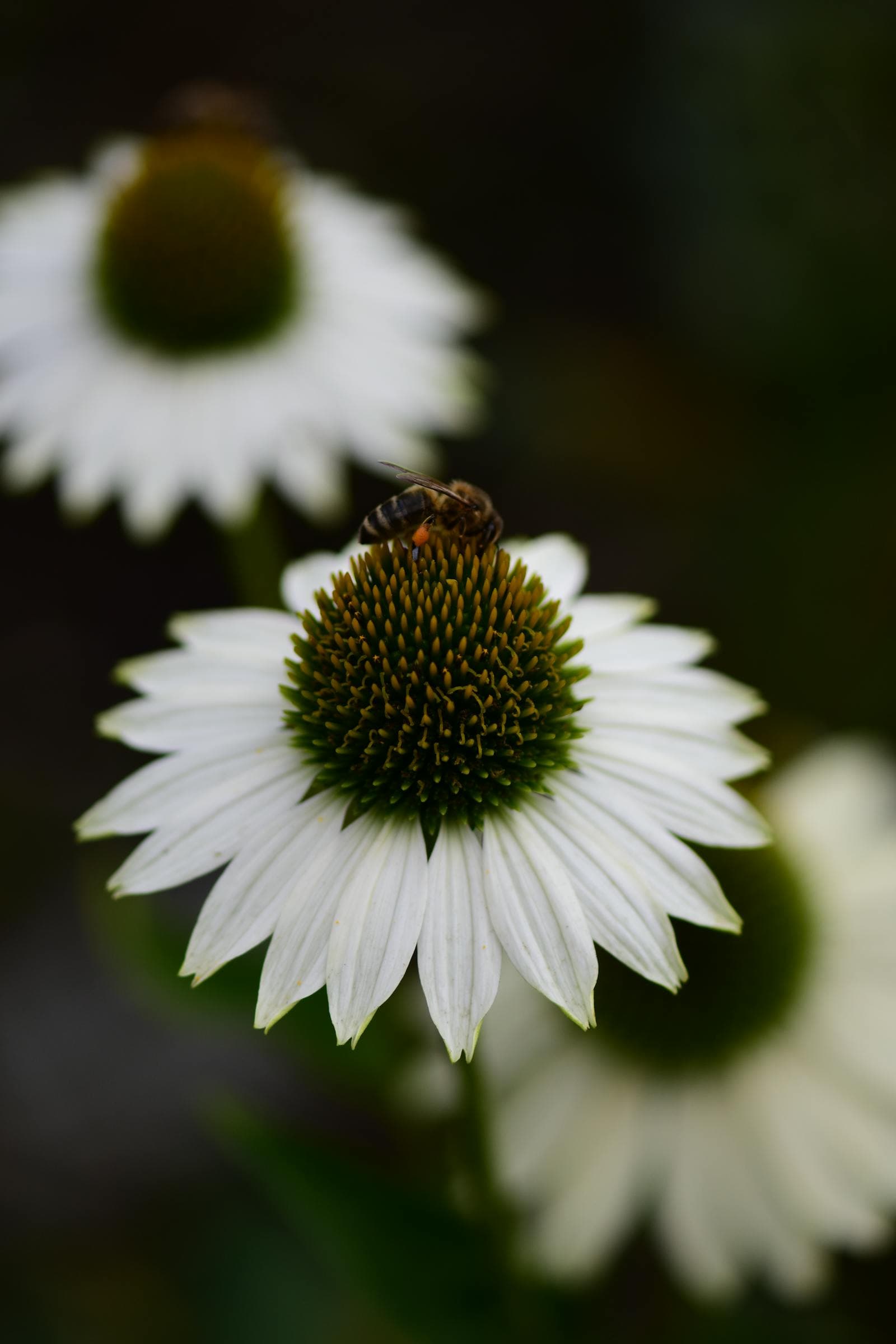
Deadheading is useful, but it is not a law. Some flowers are worth leaving once the season begins to turn. Coneflowers and black eyed Susans can hold seedheads that birds use and that still look good in a looser late-season bed. Nigella, poppies, and ornamental grasses may give you seedpods or texture that matter more than another flush of bloom.
The decision is partly visual and partly ecological. A seedhead at the back of a border can look intentional. A mushy brown petunia stuck to the front of a container rarely does. A coneflower standing upright in October may be worth keeping. A diseased stem collapsing across a walkway should go, even if the idea of leaving seedheads sounds virtuous.
The goal is not to strip the garden clean. It is to choose what stays because it still has a purpose and what goes because it is draining energy, inviting rot, or making the planting look tired before its time.
The best deadheading routine is the one you will actually do. Keep the tools simple: clean bypass snips, a small bucket, and maybe gloves if the plants are sticky or thorny. Start at one end of the bed and move in one direction so you do not wander around picking at whatever catches your eye. Wandering turns a ten-minute task into a vague hour of guilt.
Cut spent blooms into the bucket, not onto the soil. A few clean petals on mulch are not a crisis, but piles of damp old flowers can invite disease and make the bed look messier than before. If the flowers are healthy, compost them. If they are mildewed, moldy, or covered in pests, discard them instead of spreading the problem.
End by stepping back. This matters. Up close, you see every flaw. From the path, you see whether the plant still has shape, whether the container still reads as full, and whether the bed looks alive rather than overworked.
A good deadheading habit changes how you relate to the garden. You stop waiting for a whole bed to become a problem. You notice the small turn from fresh to spent and act before the plant spends too much energy in the wrong direction.
It also makes the garden feel less fragile. A zinnia that is cut hard enough to remove an old flower often branches. A cosmos stem taken for a vase can lead to more bloom. A salvia spike cut back after its first show may send up cleaner color later. The plant is not ruined because you touched it. Most flowering plants are more resilient than nervous beginners are led to believe.
If you only remember one rule, make it this: remove the finished flower and its developing seedhead back to a sensible branching point. Do that once a week, keep the plant watered and fed according to its needs, and leave the seedheads that are genuinely worth keeping. That is enough. Your grandmother may have made it look effortless, but the method was never complicated.