Foliage plants are the quiet reason many containers look good even after flowers pause. Their leaves carry color, shape, and fullness when blooms are between cycles. That is the part worth keeping from the original idea: the article is not about a perfect display, it is about solving a real garden moment with fewer false starts.
This guide explains how to keep leafy companion plants healthy without treating them exactly like the flowers around them. Good plant care starts before there is a problem. It comes from understanding what the plant is trying to do, where it stores strength, and what kind of attention actually helps.
Before choosing plants, stand in the actual place and name the limitation that will decide success. It might be sun, shade, wind, reflected heat, shallow soil, a narrow walkway, a door swing, a hose that barely reaches, or simply the amount of time you can give the planting during a normal week.
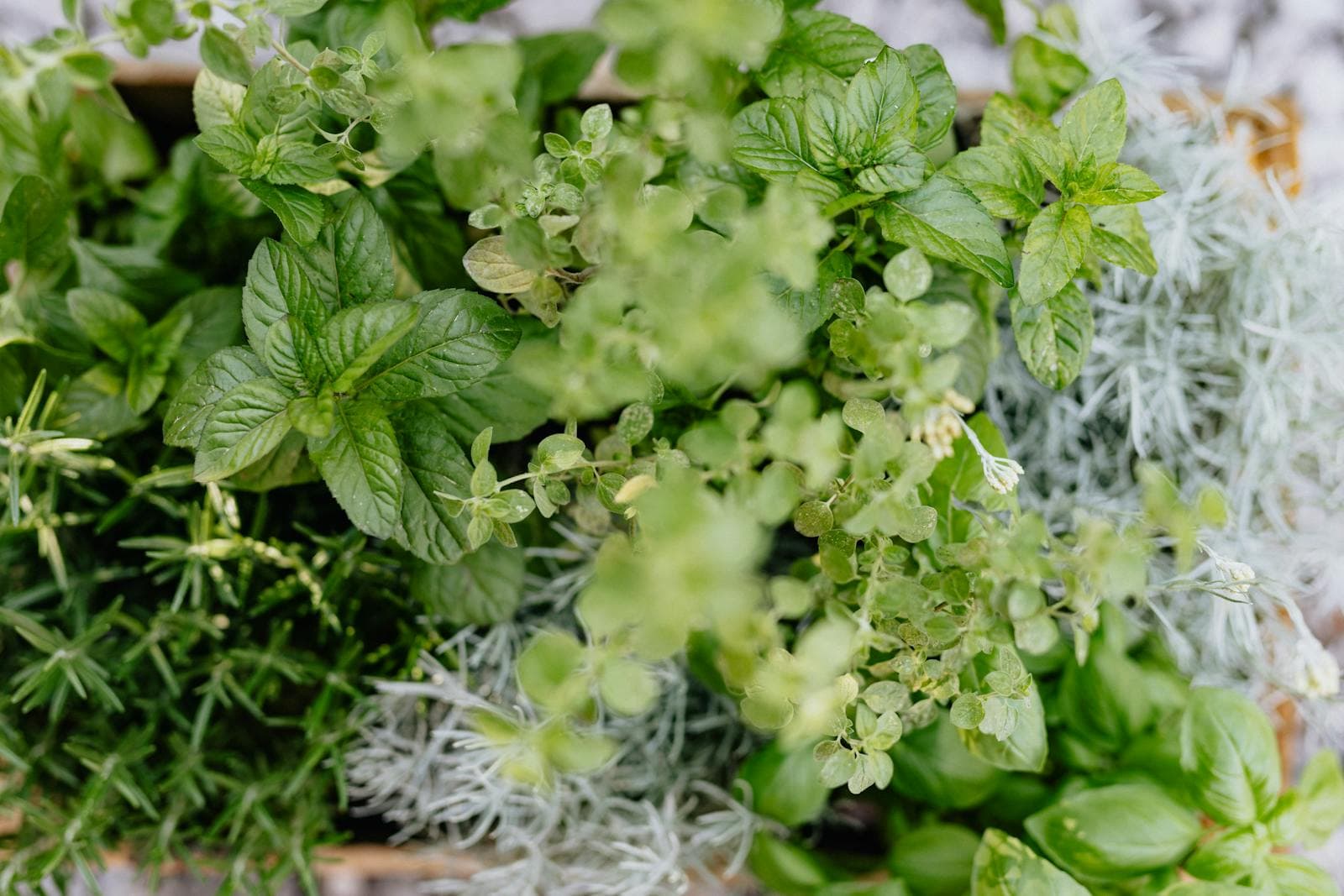
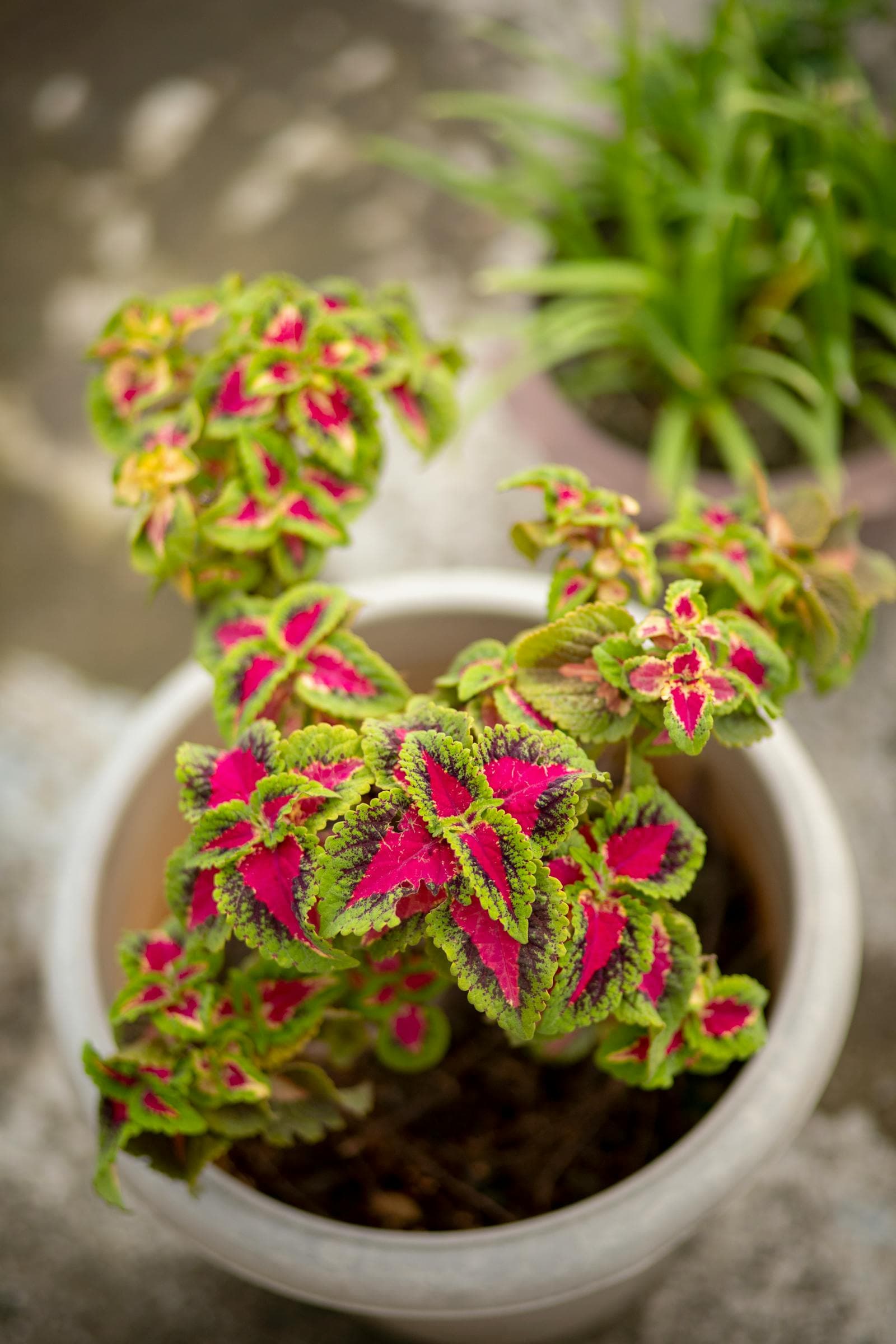
Use coleus for color, heuchera for mounds, sweet potato vine for trailing growth, caladiums for shade drama, dusty miller for silver, and ornamental grasses for height. Treat that as a working palette rather than a shopping order. The point is to choose plants that share enough needs to live together well, then repeat the strongest ones so the planting reads as intentional.
A useful plant for how to care for foliage plants in flower containers should earn its space in more than one way. Bloom matters, but so do foliage, scent, mature shape, pollinator value, root room, and whether the plant still looks acceptable after its first flush has passed.
If the list feels too long, cut it down before you buy. Three repeated plants with a clear job will usually make a stronger article-worthy garden than ten unrelated plants that all need different care.
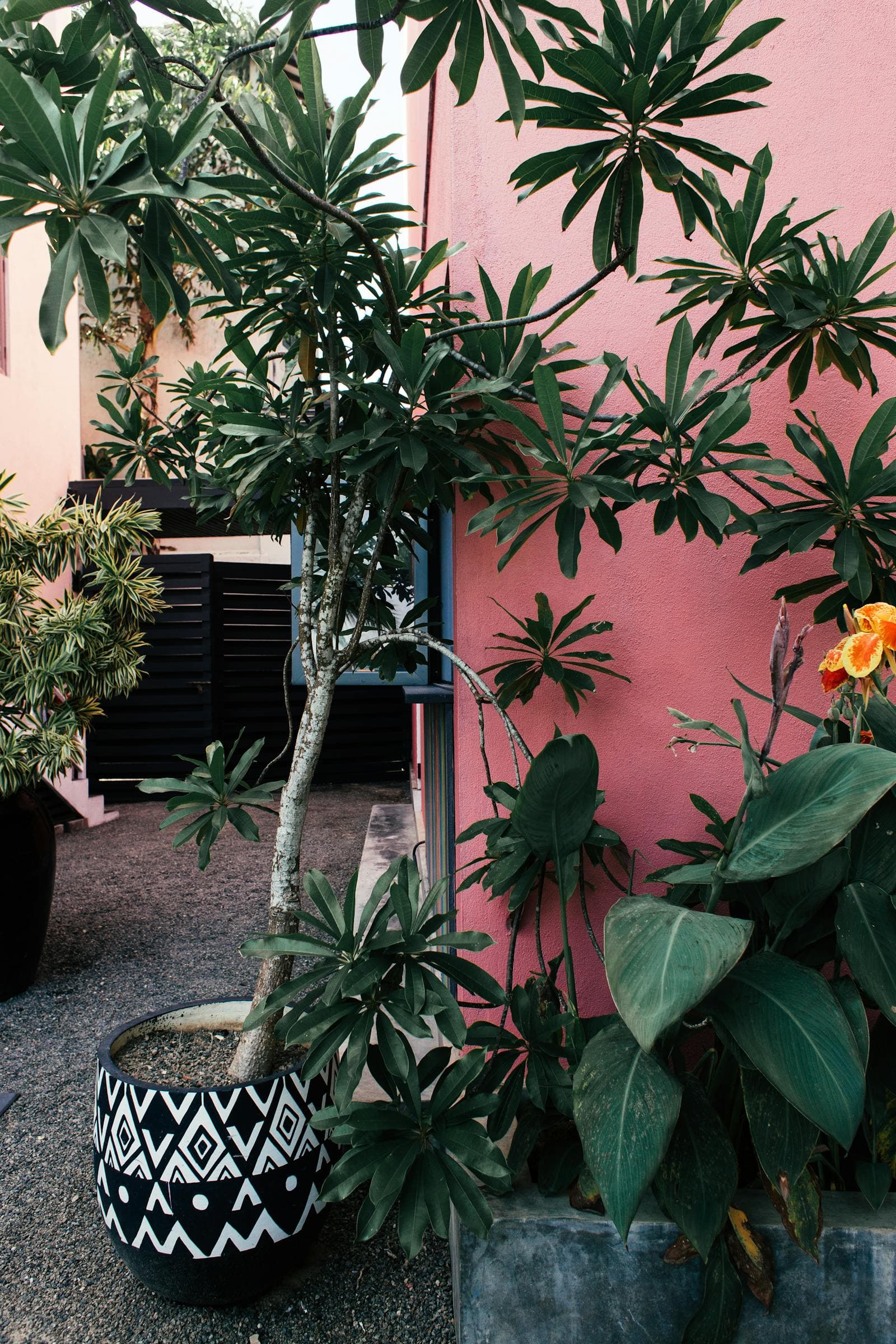
Care and design are connected. A plant placed where it has the right light, air, root room, and companions will need less rescue later. Think in layers rather than isolated specimens: one plant for height, one for fullness, one for the edge or spill, and one quiet leaf shape that keeps the scene together when bloom pauses.
Leave more breathing room than the nursery pot suggests. Young flowers can make empty soil feel embarrassing, but crowded plants are harder to water, harder to deadhead, and more likely to look tired before the season is over.
The planting should make sense from the view that matters most. That might be the kitchen window, the front step, the chair on the patio, the balcony door, or the path a guest uses with a bag in one hand.
Pinch fast growers, remove torn leaves, water before plants wilt hard, and feed lightly so foliage stays strong without overwhelming flowers. The best routine is calm and specific: water deeply when needed, prune for a reason, remove damaged growth, and feed only when the plant can use it.
Do the small jobs before they become dramatic jobs. Remove spent flowers while they are easy to reach, water before plants wilt hard, trim path edges before they flop, and replace one failing plant before it makes the whole container look neglected.
Care is not separate from design. It is how the original promise stays visible after heat, rain, growth, and busy weeks have had their say.
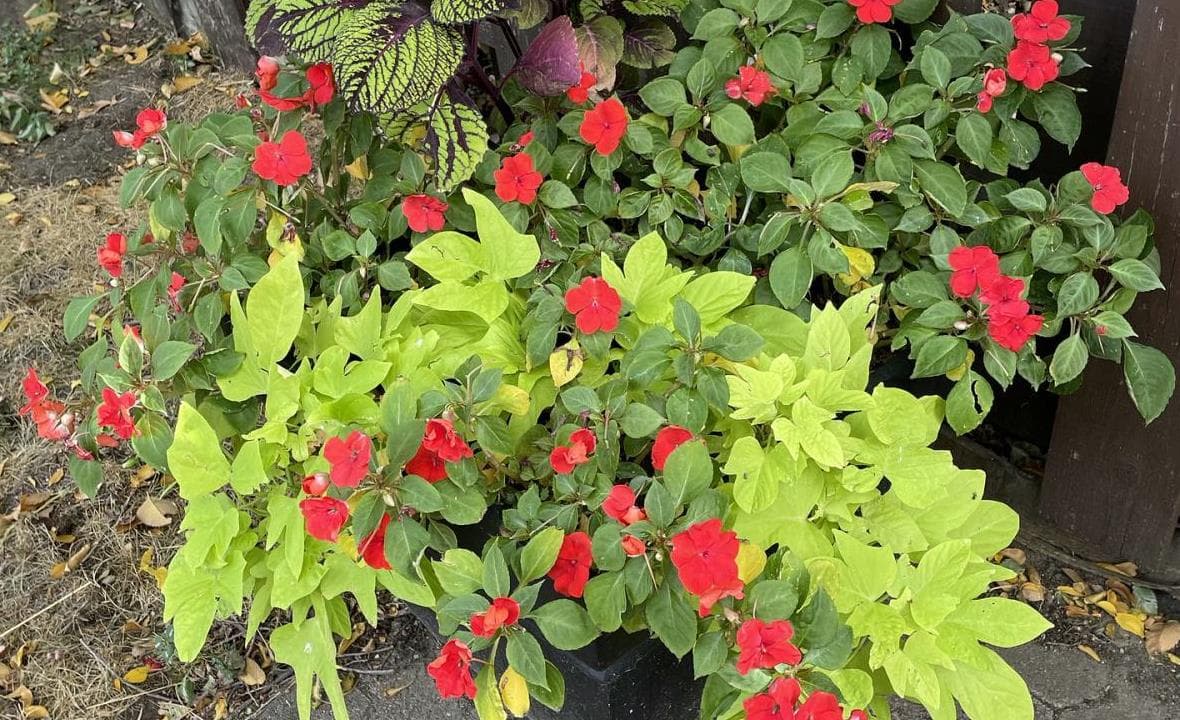
The common mistake is ignoring mature size. Some foliage companions can smother smaller flowers if they are not pinched or placed with room. Many plant problems are really placement problems wearing the costume of care problems.
Another common failure is buying for the best day instead of the average week. A plant that needs daily attention may be fine beside the kitchen door and wrong on a balcony you only visit at night. A flower that looks charming in a wide bed may become annoying beside a narrow walk.
When something struggles, change one variable at a time. Move the pot into kinder light, water more deeply, thin crowded stems, or remove the plant that is asking for a completely different life. Guessing at five fixes at once teaches you very little.
The difference between a generic planting and a memorable one is usually editing. Repeat one color on purpose. Let one scent belong to the doorway. Use one foliage color to connect the containers. Keep one edge clean so the looser flowers behind it can be generous.
Avoid treating every empty spot as a problem. Empty soil can be mulched. A young plant can be allowed to grow. A gap can be held for the next season instead of filled with the first thing blooming at the store.
This is also where photographs help. Take one picture when the planting first goes in and another when it looks settled. The second photo will tell you which plants actually carried the idea and which ones only looked good on shopping day.
For a first pass at how to care for foliage plants in flower containers, keep the scale modest enough that you can finish the work in one focused session. Prepare the soil or potting mix, place plants before digging, check the mature width, then plant and water slowly enough that roots and surrounding soil are both damp.
Use mulch or a clean container surface to make the young planting look intentional while it fills in. If the design depends on later growth, let it be honest about that. Most gardens look better when they are allowed to grow into a plan instead of being crammed full on day one.
After the first week, look for practical friction. If watering is awkward, simplify the container count. If a path feels tight, trim or move the edge plant early. If the color feels noisy, repeat the calmest plant instead of adding another bright one.
By the end of the season, the best plants will have identified themselves. They are the ones that still look useful after weather, missed waterings, and normal life. Give those plants more space in the next version.
The plants that needed constant rescue are not moral failures. They may simply belong somewhere else, in a deeper pot, in different light, or out of this garden entirely. Editing them out is part of making the site more personal and less frustrating.
The useful lesson behind how to care for foliage plants in flower containers is that good gardening is not more complicated than ordinary observation. Read the place, choose fewer plants with clearer jobs, care for them on a rhythm you can keep, and let the next version be better because this one taught you something specific.